Welcome to IEEE AAIEE 2026

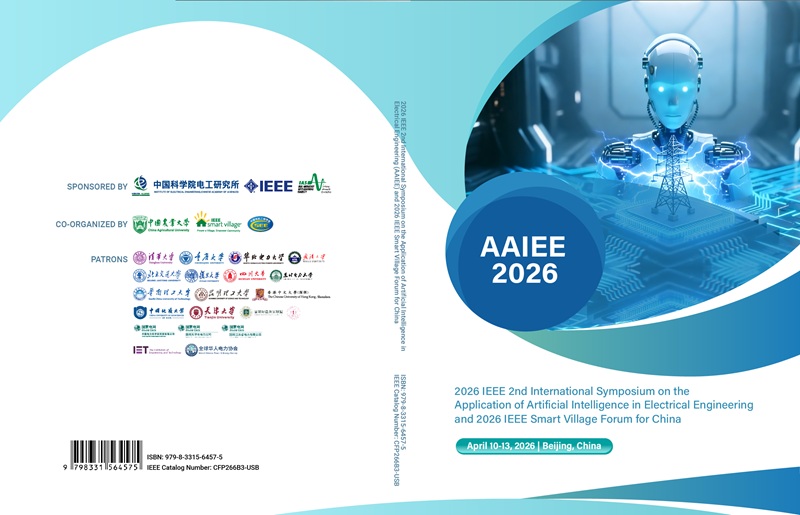
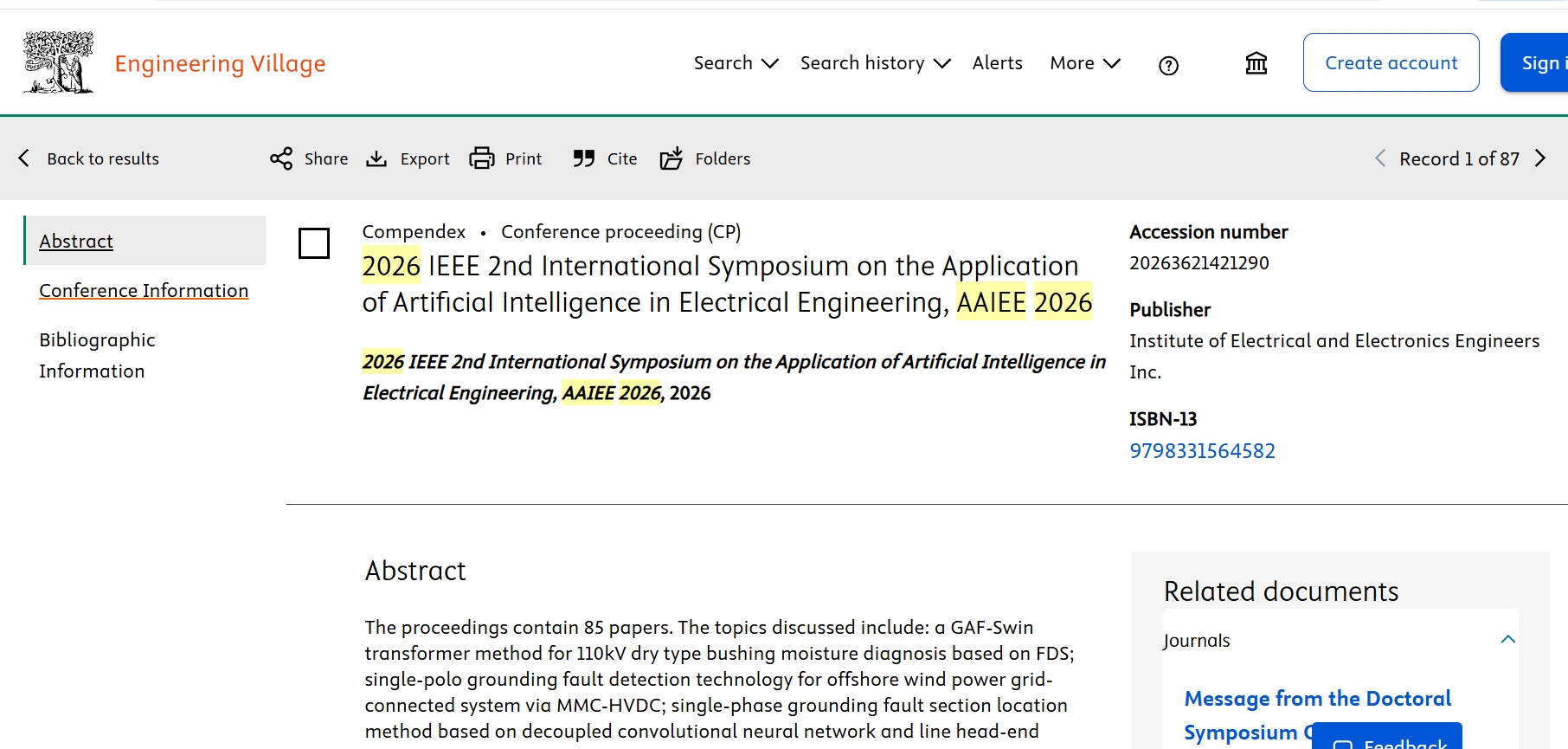
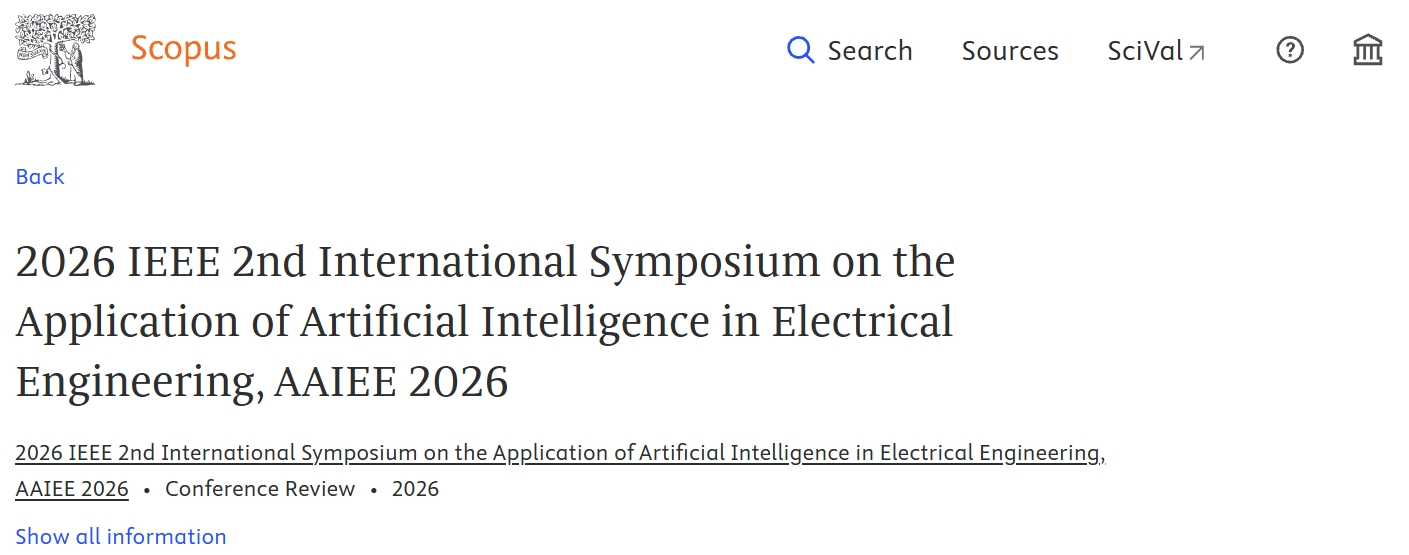
2026 IEEE 2nd International Symposium on the Application of Artificial Intelligence in Electrical Engineering (AAIEE) successfully concluded in Beijing!
IEEE第二届人工智能在电气工程中的应用国际会议在北京圆满落幕!

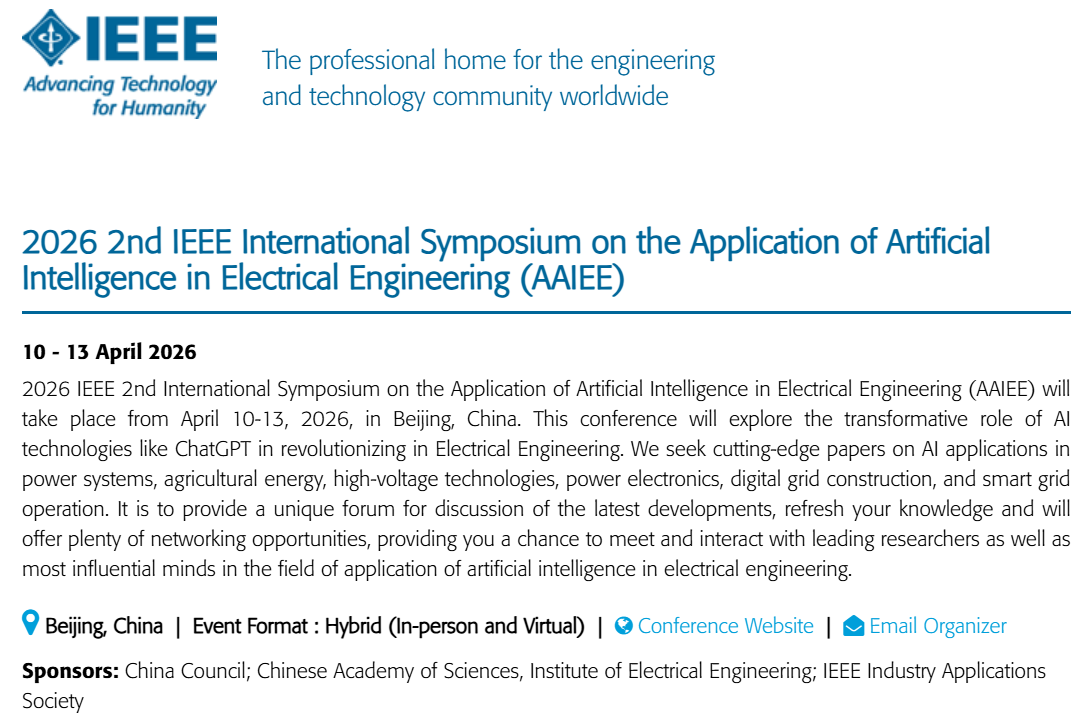
From April 10 to 13, 2026, the IEEE 2nd International Symposium on the Application of Artificial Intelligence in Electrical Engineering (AAIEE 2026) was held in Beijing, China.

The conference was sponsored by the Institute of Electrical Engineering, Chinese Academy of Sciences (CAS), IEEE China Council, and the IEEE Industry Applications Society (IAS); hosted by China Agricultural University; and co-organized by the IEEE Smart Village China Committee and the Rural Electrification Committee of the Chinese Society for Electrical Engineering. It was supported by Tsinghua University, Chongqing University, North China Electric Power University, Wuhan University, Beijing Jiaotong University, Fudan University, Sichuan University, Northeast Electric Power University, South China University of Technology, Kunming University of Science and Technology, The Chinese University of Hong Kong, Shenzhen, China University of Geosciences (Beijing), Tianjin University, the Global Green Development Alliance, Silicon Valley Women Alliance, China Electric Power Research Institute, State Grid Tianjin Electric Power Company, State Grid Jiangsu Electric Power Company, the Institution of Engineering and Technology (IET), and the Global Chinese Power & Energy Society.

2026年4月10日至13日,IEEE第二届人工智能在电气工程中的应用国际会议(AAIEE 2026)在中国北京举行。本次会议由中国科学院电工研究所、IEEE、IEEE工业应用学会(IAS)主办,中国农业大学、IEEE智慧乡村中国委员会、中国电机工程学会农村电气化专业委员会联合主办,并得到清华大学、重庆大学、华北电力大学、武汉大学、北京交通大学、复旦大学、四川大学、东北电力大学、华南理工大学、昆明理工大学、香港中文大学(深圳)、中国地质大学(北京)、天津大学、全球绿色发展联盟、硅谷女性联盟、中国电力科学研究院、国网天津市电力公司、国网江苏省电力公司、英国工程技术学会(IET)及全球华人电力与能源学会等高校和机构的支持。

More than 280 experts and scholars, industry representatives, and young researchers from countries and regions around the world participated in the conference in a hybrid format. They engaged in in-depth academic exchanges and technical discussions on cutting-edge topics, including AI-driven transformation of the energy and power sectors, smart village development, and sustainable communities.

会议采用线上线下相结合的形式,汇聚来自全球多个国家及地区的280余位专家学者、产业界代表及青年学子。与会者围绕人工智能驱动能源电力变革、智慧乡村建设和社区可持续发展等前沿议题,开展了深入的学术交流与技术研讨。

Publication

About the Conference

Opening Ceremony

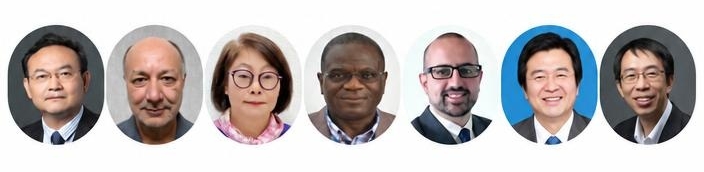
The conference officially opened on the morning of April 11. The opening ceremony was chaired by Fu Xueqian, Vice Chair of the IEEE Smart Village China Committee and Associate Professor at China Agricultural University. Distinguished guests attending the ceremony included Li Yaohua, Director of the Institute of Electrical Engineering, Chinese Academy of Sciences; Rajan Kapur, Chair of IEEE Smart Village and IEEE Fellow; Zhang Xiaofeng, Chair of the IEEE Smart Village China Committee; Paulo Lopes, Head of IET China; Zhu Kai, President of the Shanghai New Energy Industry Association; and Pei Wei of the Institute of Electrical Engineering, Chinese Academy of Sciences. They delivered remarks at the ceremony.

4月11日上午,大会正式开幕。开幕式由IEEE智慧乡村中国委员会副主席、中国农业大学副教授付学谦主持。出席开幕式并致辞的嘉宾包括:中国科学院电工研究所所长李耀华、IEEE智慧乡村主席及IEEE Fellow Rajan Kapur、IEEE智慧乡村中国委员会主席张晓枫、IET中国区负责人Paulo Lopes、上海新能源行业协会会长朱凯,以及中国科学院电工研究所裴玮。

Opening Addresses and Keynotes / 开幕致辞与主旨演讲

“Artificial Intelligence and Electrical Engineering: From Reshaping Reality to Global Strategy.” Yaohua Li, Director of the Institute of Electrical Engineering, Chinese Academy of Sciences, noted that AI has evolved from a future vision into a present-day reality, reshaping electrical engineering in intelligent forecasting, smart management, and renewable energy innovation. He called for open innovation platforms and stronger international cooperation in AI to advance rural revitalization and the Sustainable Development Goals.

中国科学院电工研究所所长李耀华以“人工智能与电气工程:从现实重塑到全球战略”为题致辞。他指出,AI已从未来愿景变为当下现实,正在智能预测、智能管理和可再生能源创新等领域深度重塑电气工程。他呼吁共建开放创新平台,加强人工智能领域的国际合作,助力乡村振兴与可持续发展目标。

Smart Village Initiative. Rajan Kapur, Chair of IEEE Smart Village, described how the initiative provides renewable energy systems and technical training to help communities establish self-sustaining enterprises with a long-term operating horizon of 20 to 30 years. Having expanded from South Asia and Africa to China and Latin America, the initiative has benefited more than two million people. Its future goal is to serve the 800 million people worldwide without access to electricity and promote “solar independence.”

IEEE智慧乡村主席Rajan Kapur介绍了智慧乡村项目。该项目通过提供可再生能源系统和技术培训,帮助社区建立可持续运营的企业,推动项目实现20至30年的长期运营。项目已从南亚、非洲扩展至中国和拉美等地区,惠及超过200万人,未来目标是服务全球8亿无电人口,推动实现“太阳能独立”。

“AI for Smart Village and Green Future.” Xiaofeng Zhang, Chair of the IEEE Smart Village China Committee, highlighted aging power grids and the lag in grid expansion as a physical bottleneck to the growth of AI computing infrastructure. She introduced the IEEE Smart Village organizational structure and its work in China on clean energy access, rural electrification, and talent development, encouraging broader participation in rural energy transition and sustainable development.

IEEE智慧乡村中国委员会主席张晓枫以“AI for Smart Village and Green Future”为题致辞。她指出,电网老化及扩容速度滞后于AI数据中心建设,已成为算力发展的“物理瓶颈”。她介绍了IEEE智慧乡村的组织架构,以及中国智慧乡村在清洁能源接入、乡村电气化和人才培养方面的工作,并鼓励各界积极参与乡村能源转型与可持续发展。

Artificial Intelligence and Electrical Engineering. Paulo Lopes, Head of IET China, emphasized that AI is moving from “imitation” toward “autonomous control.” He argued that the industry should look beyond accuracy and give greater attention to system robustness, safety, and building trust amid uncertainty. He also stressed that face-to-face communication remains essential for establishing trust and collaboration.

IET中国区负责人Paulo Lopes围绕人工智能与电气工程发表主旨演讲。他强调,AI正从“模仿”走向“自主控制”,行业应从单纯追求精度转向更加重视系统鲁棒性与安全性。技术发展的深层挑战在于如何在不确定性中建立信任,而面对面交流所建立的信任与合作关系仍不可替代。

AI-Enabled Green Energy Transition in Rural Areas. Kai Zhu, President of the Shanghai New Energy Industry Association, discussed the role of AI in supporting the green energy transition in rural areas under the 15th Five-Year Plan. He described how AI can help transform rural areas from electricity consumers into key nodes integrating generation, grid, load, and storage, and highlighted opportunities to connect technological innovation with rural practice.

上海新能源行业协会会长朱凯以“‘十五五’规划开局,AI赋能乡村绿色能源转型”为题作主旨演讲。他指出,工程师正借助AI技术推动乡村从电力消费者转变为源网荷储的关键节点,释放分布式能源的经济与生态价值,并提出通过技术创新与乡村实践相结合,探索可复制、可推广的乡村绿色能源发展路径。

Conference Overview. Pei Wei of the Institute of Electrical Engineering, Chinese Academy of Sciences, noted that the intersection of AI and electrical engineering is closely connected to energy transition and smart grid innovation. He expressed appreciation to the sponsors and the organizing committee for their contributions.

中国科学院电工研究所裴玮指出,AI与电气工程的交叉融合不仅推动技术发展,也关系到能源转型与智能电网创新。他对赞助方和组委会的辛勤付出表示感谢。

Keynote Presentations / 大会主旨报告

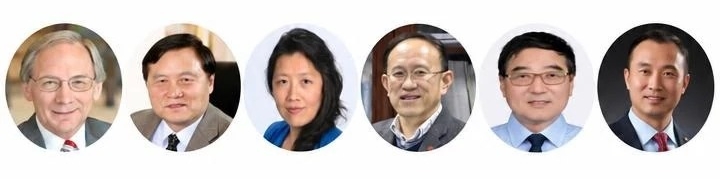
The keynote session was chaired by Pei Wei of the Institute of Electrical Engineering, Chinese Academy of Sciences. The keynote speakers were John D. McDonald, Zhou Xiaoxin, Jessica J. Bian, Guan Xiaohong, Zhang Youmin, and Yang Dongsheng.

大会主旨报告环节由中国科学院电工研究所裴玮主持。John D. McDonald、周孝信、Jessica J. Bian、管晓宏、张友民和杨东升分别作大会主旨报告。

John D. McDonald — “Grid Modernization: Technological Advances in Advanced Smart Grids” His presentation examined the integration of information technology and operational technology, distributed generation integration, advanced distribution management systems, and big data analytics. Drawing on deployment experience, he discussed ways to enhance grid resilience, enable self-healing, and improve renewable energy integration.

John D. McDonald以“电网现代化:先进智能电网的技术进展”为题作报告,探讨了信息技术与运营技术的深度融合、分布式发电集成、高级配电管理系统和大数据分析等关键技术,并结合实际部署经验,介绍了提升电网弹性、实现自愈及优化可再生能源消纳的路径。

Xiaoxin Zhou — “Research on the Development Trends of China's Energy and Power Systems under the Dual-Carbon Goals” He analyzed the development goals of China's new energy system under the 15th Five-Year Plan, including distributed energy, power system resilience, and hydrogen energy. He discussed an integrated electricity-hydrogen-carbon system, green electricity and green hydrogen substitution, and the “green electricity + CCUS” approach to developing green fuels.

周孝信院士以“双碳目标下我国能源电力系统发展趋势研究”为题,分析了“十五五”规划下新型能源体系的建设目标,并围绕分布式能源、电力系统韧性和氢能产业布局展开阐述。他介绍了“电氢碳”耦合体系,以及以绿电替代化石能源、以绿氢推动非电领域减碳和通过“绿电+CCUS”发展绿色燃料等路径。

Jessica J. Bian — Energy Systems and Extreme Weather. Using the impact of an extreme cold wave on energy infrastructure as an example, she highlighted the vulnerability of energy systems under extreme weather. She discussed the competitiveness of solar and geothermal energy and emphasized the importance of coordinated policy, cost, and scale, as well as robust cross-regional transmission networks.

Jessica J. Bian以极端寒潮导致能源基础设施瘫痪为例,揭示了能源系统在极端天气下的脆弱性。她指出太阳能、地热等清洁能源已具备成本竞争力,并强调政策、成本与规模协同的重要性,以及健全的跨区域输电网络对大规模清洁能源消纳的保障作用。

Xiaohong Guan— “Cyber-Physical Integrated Energy Systems and the Energy Revolution in the Networked and Intelligent Era” He discussed cyber-physical systems (CPS) in the energy sector and how hydrogen-enabled zero-carbon smart energy systems can support local energy balance and economic efficiency. Demonstration projects illustrated applications of distributed zero-carbon energy systems in industrial parks, data centers, and ports.

管晓宏院士以“网络与智能时代的信息物理融合能源系统与能源革命”为题,系统阐述了信息物理融合系统(CPS)在能源领域的应用,并介绍了氢赋能零碳智慧能源系统在园区、数据中心和港口等场景中的示范实践。

Prof. Youmin Zhang of Concordia University, Canada, and Prof. Dongsheng Yang of Northeastern University also delivered keynote presentations.

加拿大康考迪亚大学张友民教授与东北大学杨东升教授也分别作了精彩报告。

Diverse Academic Exchanges Build Consensus / 多元学术交流凝聚共识

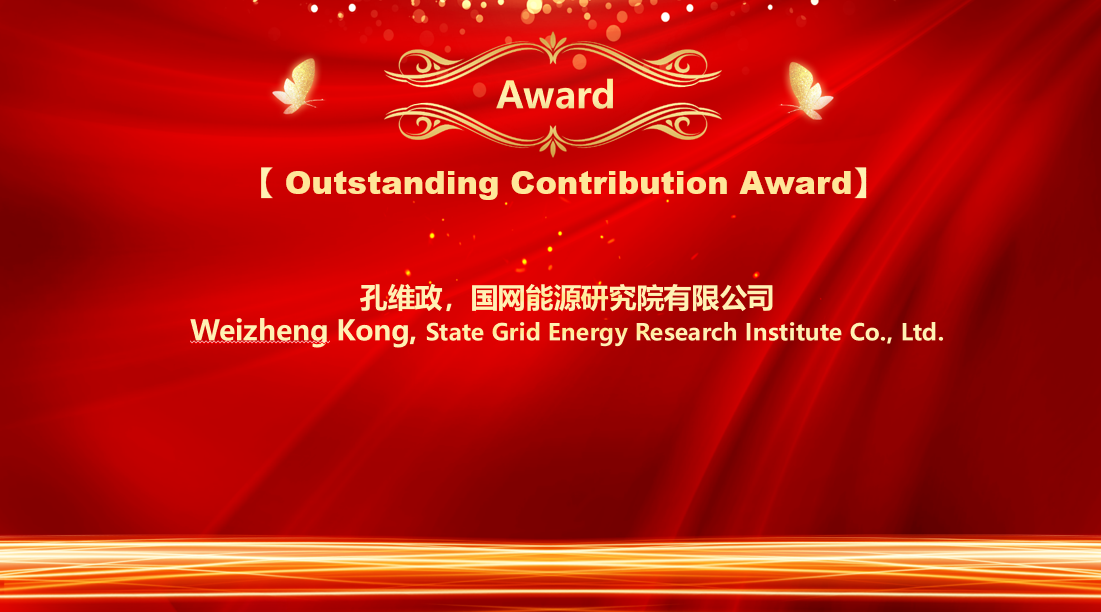
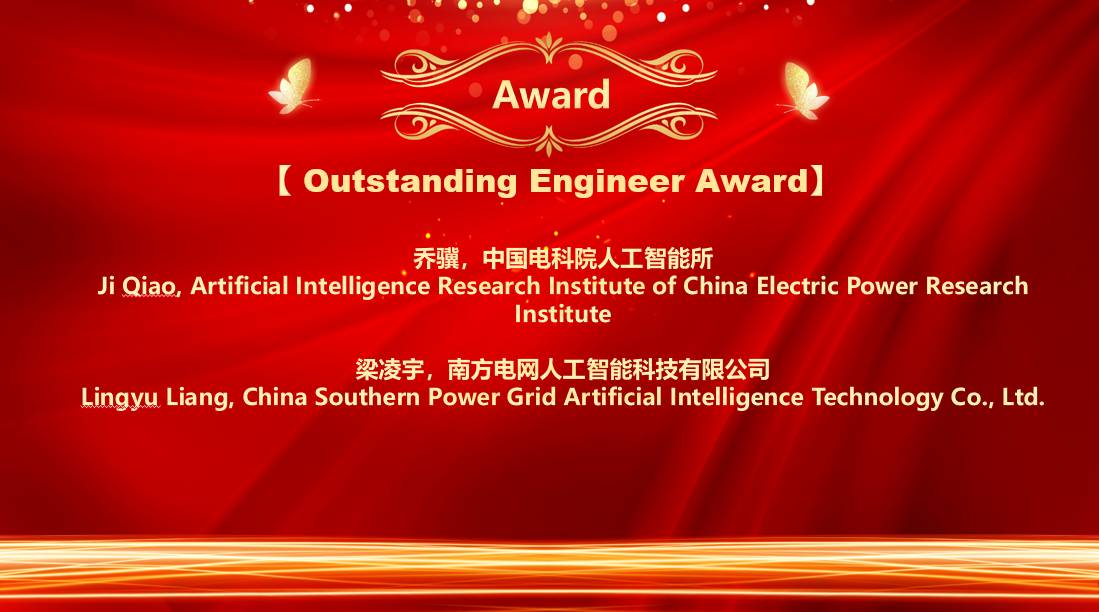
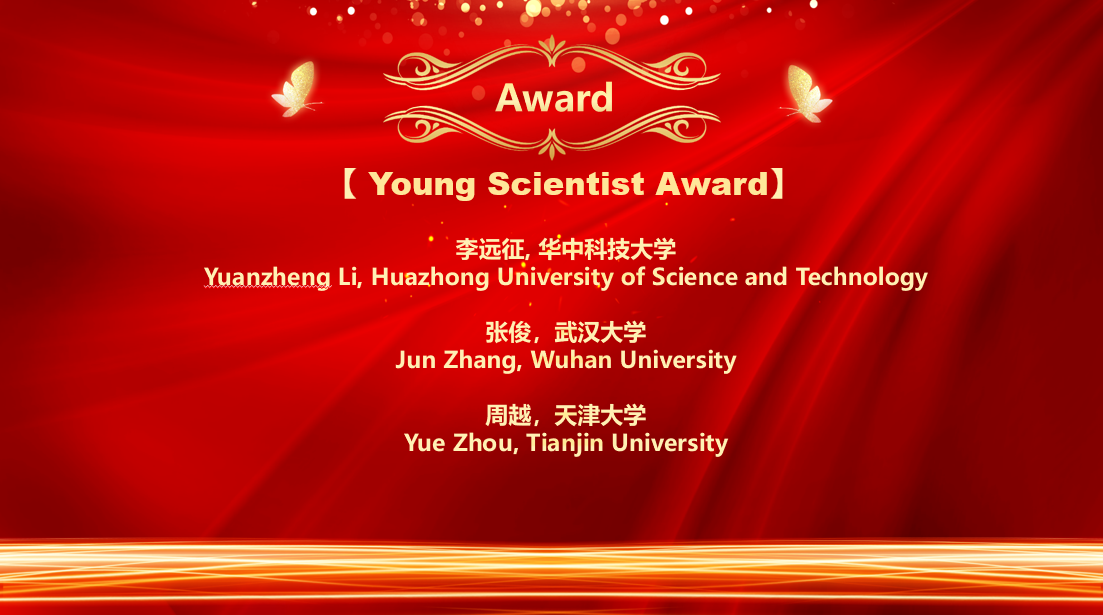
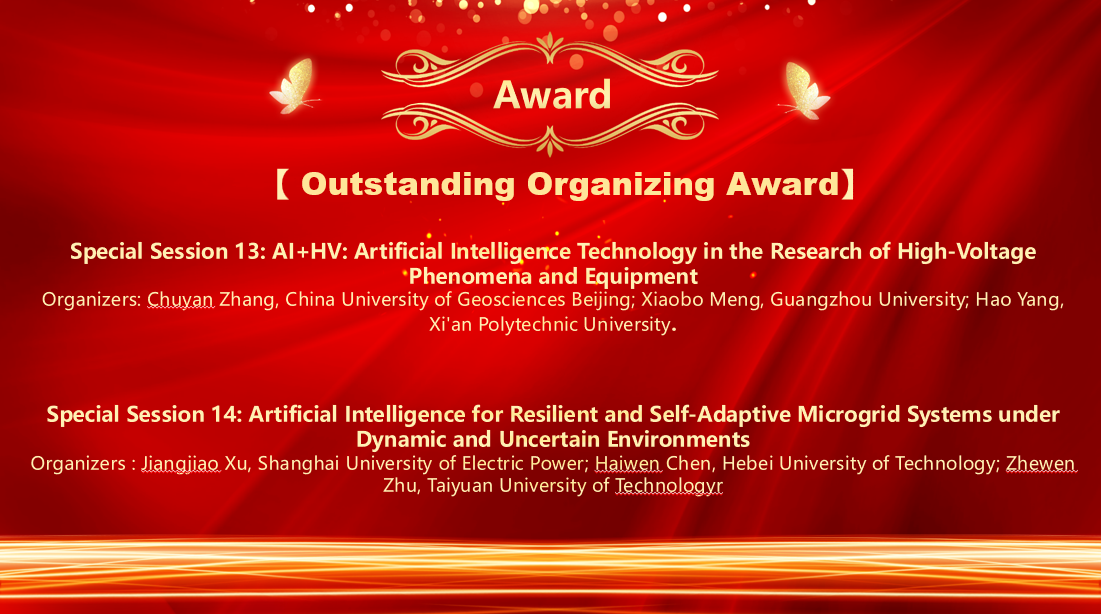
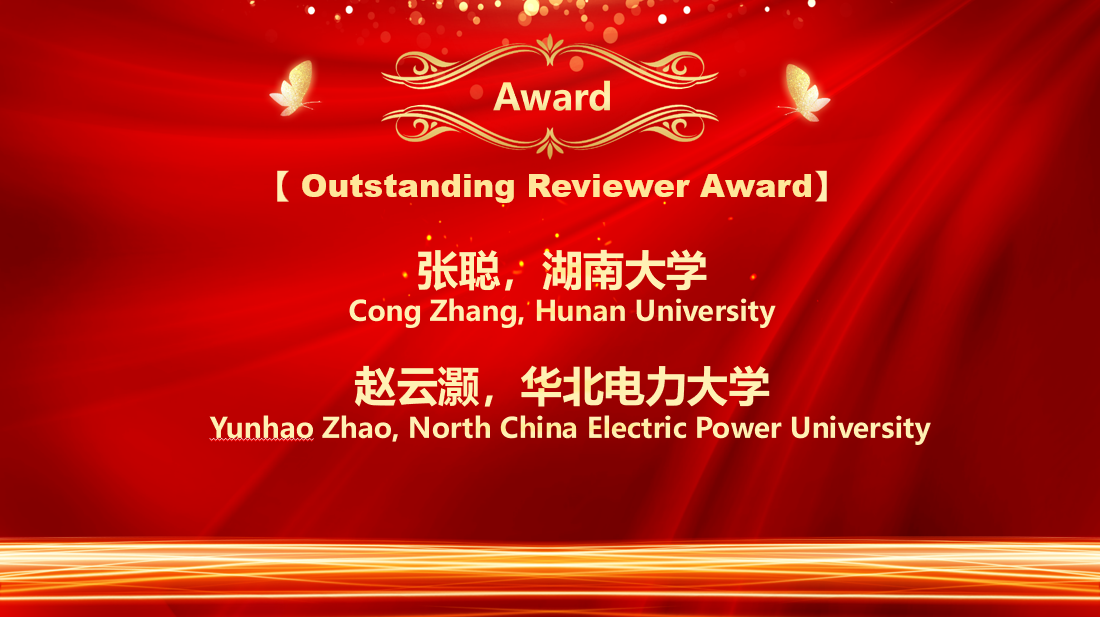
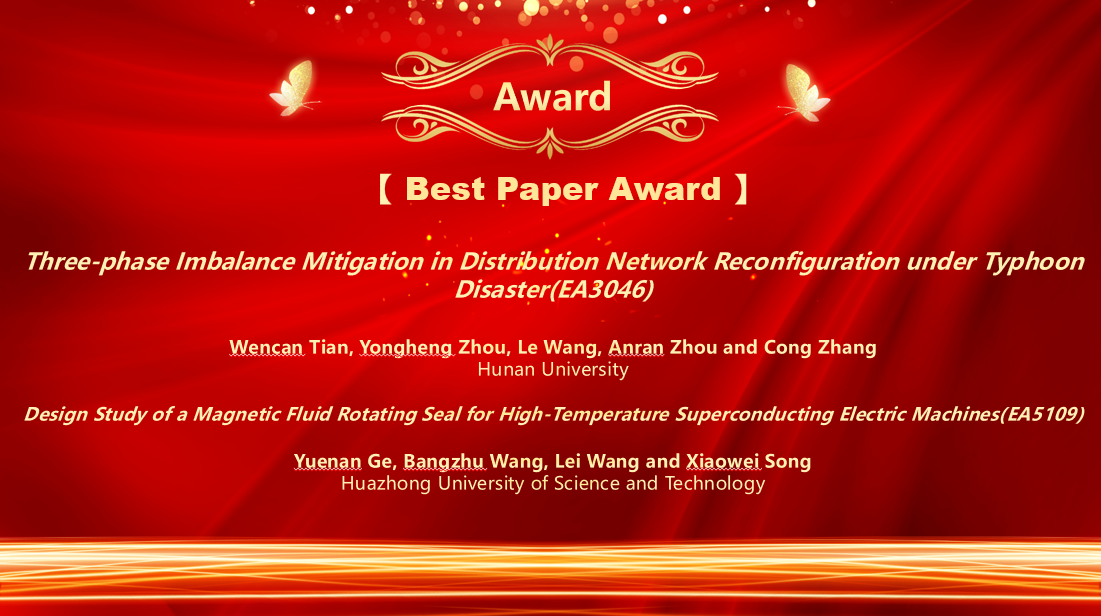
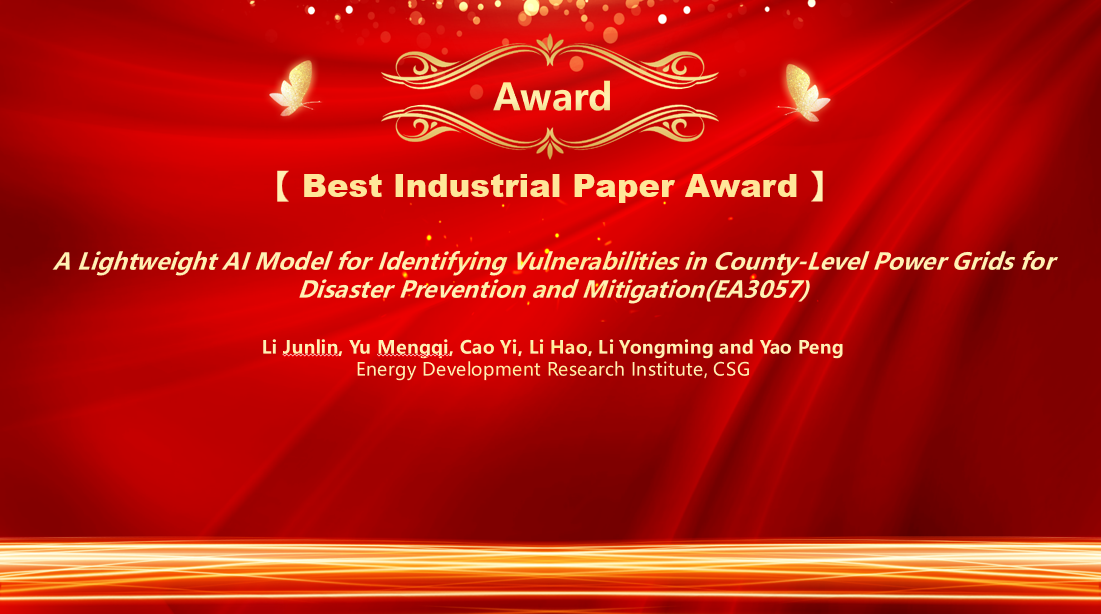
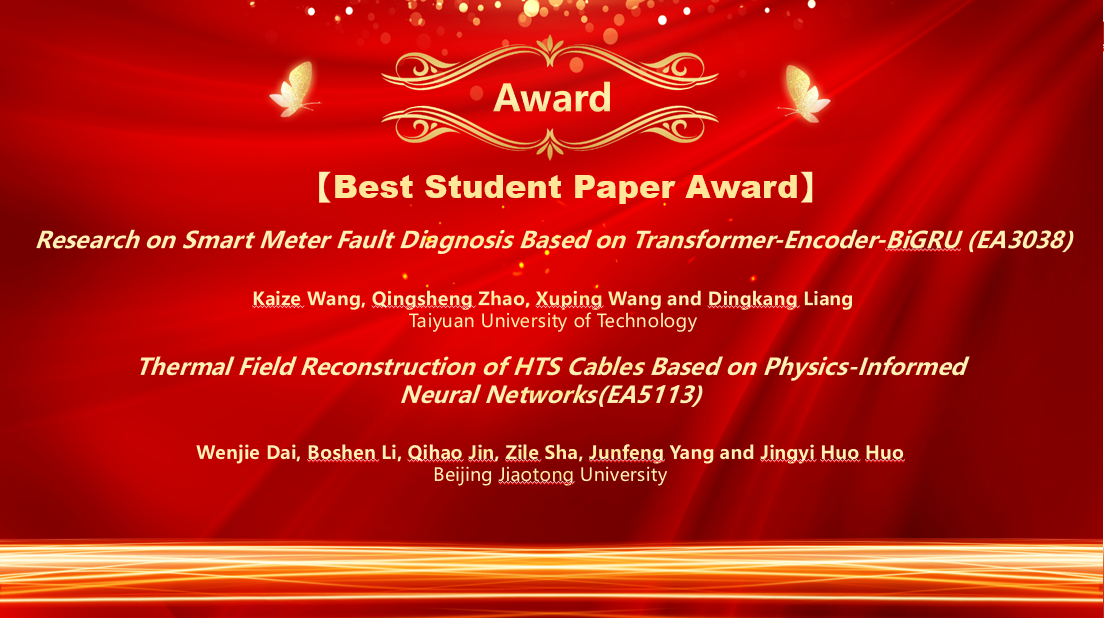
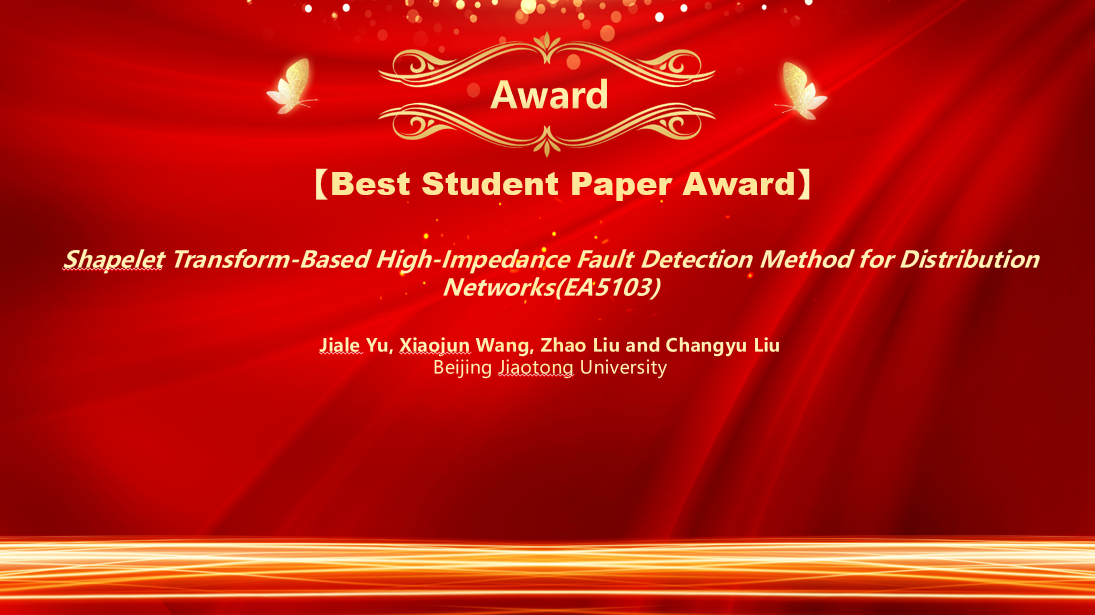
The four-day conference featured a wide range of academic exchange activities. In addition to keynote presentations, 40 young scholars—including Zhang Jun of Wuhan University, Li Yuanzheng of Huazhong University of Science and Technology, Zhou Yue of Tianjin University, Qiao Ji of the Institute of Artificial Intelligence, Chinese Academy of Sciences, and Liang Lingyu of China Southern Power Grid Artificial Intelligence Technology Co., Ltd.—delivered invited talks on topics such as AI for power system operation and control and strategies for integrating new energy into electricity markets. The program also included seven thematic tracks, 20 special sessions, and one poster session. During the conference, the organizing committee presented awards in categories including Best Paper, Best Student Paper, Best Industrial Application Paper, Best Oral Presentation, Best Poster Presentation, Outstanding Reviewer, Outstanding Organization, and Young Scientist.

本届大会为期4天,学术交流形式多样。除主旨报告外,来自武汉大学张俊、华中科技大学李远征、天津大学周越、中国科学院人工智能所乔骥、南方电网人工智能科技有限公司梁凌宇等40位青年学者,围绕人工智能在电力系统运行控制、新能源参与电力市场策略等前沿主题作特邀报告。大会还设置了7个专题分会、20场专题分会和1场海报展示等学术交流活动。会议期间,大会组委会颁发了最佳论文奖、最佳学生论文奖、最佳工业应用论文奖、最佳口头报告奖、最佳海报展示奖、优秀审稿人奖、优秀组织奖及青年科学家奖等奖项。

Awards